Where Stories Begin
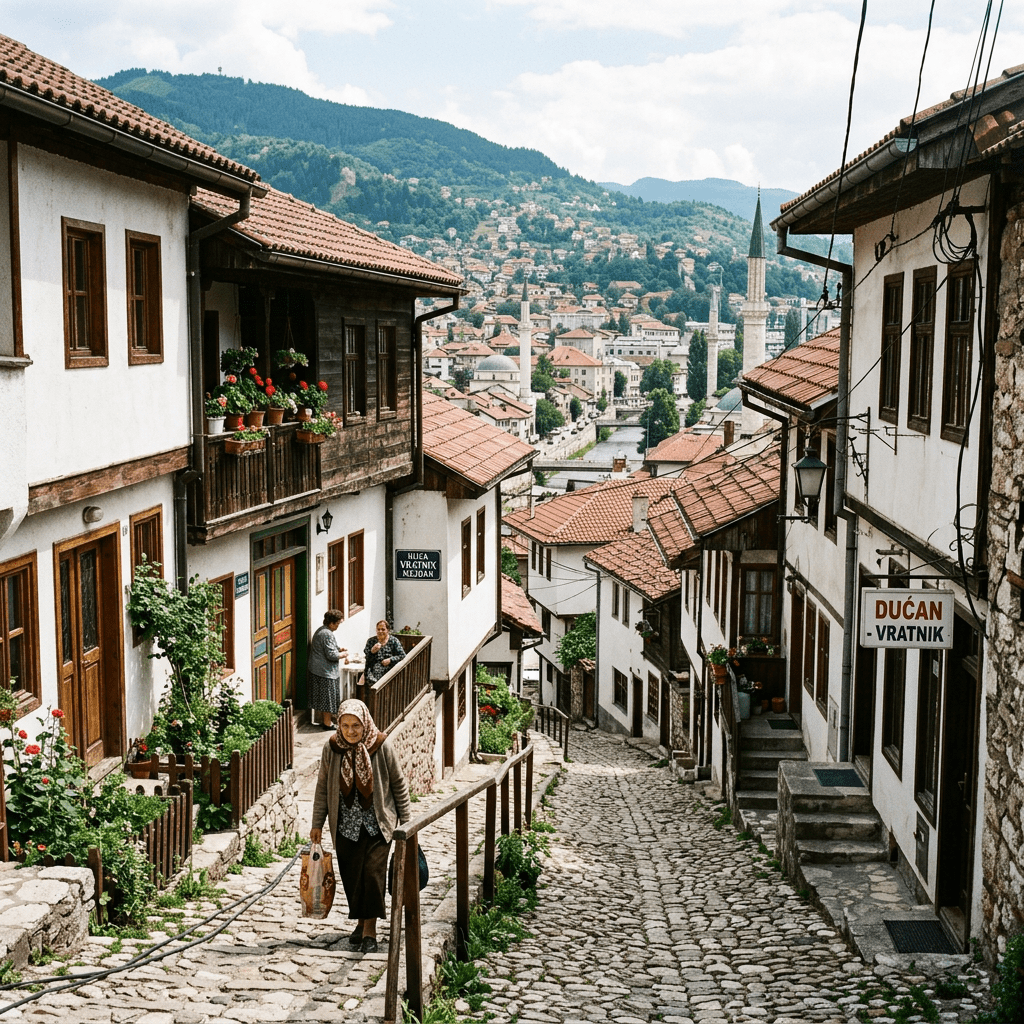
In Bosnia, mahala knows more about you then you know about yourself, and stories travel faster than people. As a child I knew stories about my neighbours – and even my neighbours` neighbours- before I even met them.
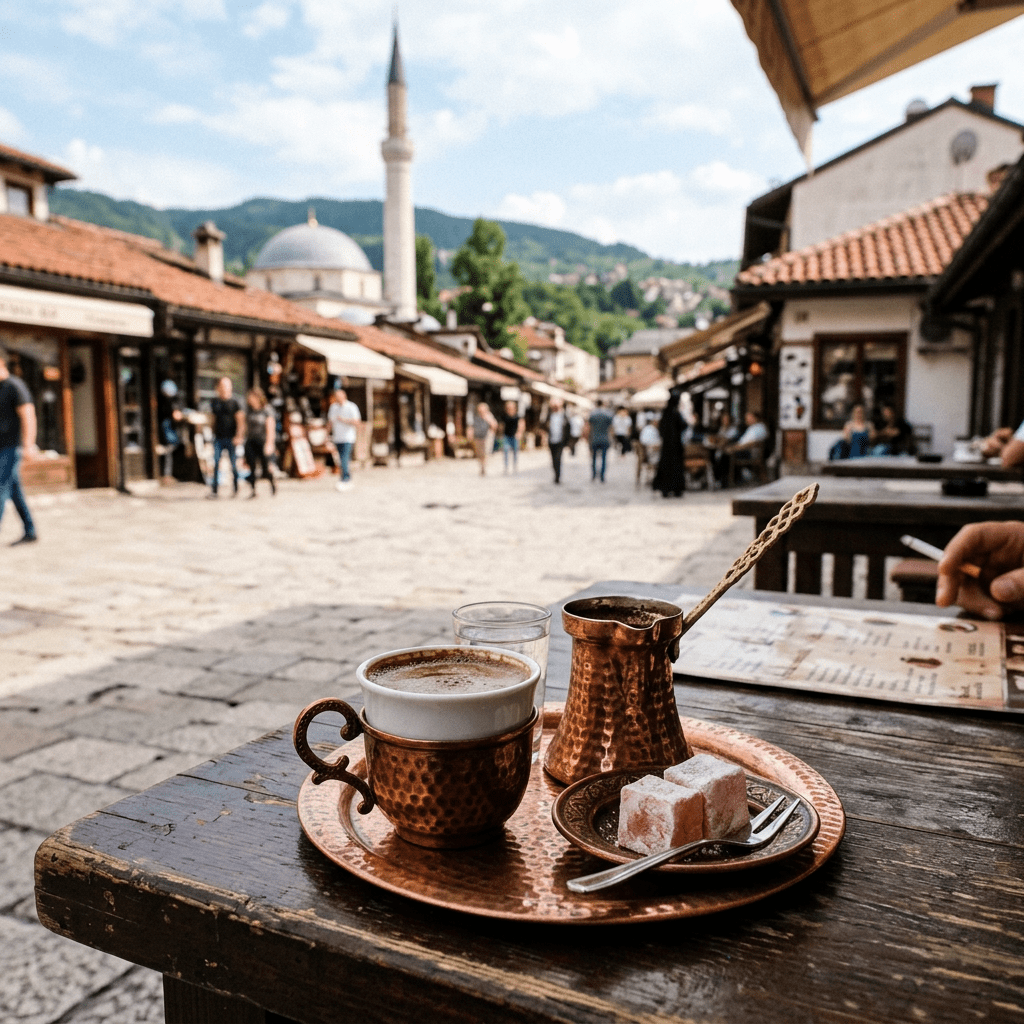
A vivid scene: I wake up at my grandmas house and the smell of strong Bosnian coffee hits me in the head. By then, I already knew that her balcony was filled with at least two other grandmothers, all sipping coffee from tiny cups poured out of copper “džezvas”, dipping small sugar cubes into the dark coffee, and through whisper laughing.
As a child born in Bosnia, I would take a small coffee cup and pour myself a little bit of coffee, just to feel grown-up, with a lot of milk (Bosnian coffee for kids) and join the realm of mahalanje. Every Sunday morning felt the same: they talked, they gasped in shock, laughed, judged, sympathized and I listened.
I listened to stories about other people, stories that shaped the way I viewed others, stories that made me judge some people, and feel sorry for others. Growing up around the stories of mahalanje made me realize that they are not harmless. These stories can take ownership of who we are, and in many ways, the danger of mahalanje is the danger of storytelling itself.
Mahalanje is more than Gossip
Now you may think that mahalanje is the same as gossip, but it is much more than that. The word mahala originates from Arabic word mahalla, meaning settlement or camp. In simple terms, mahala refers to a neighborhood, similar to places like Riverdale or the Bronx. However, in Bosnia, mahala is far more than a physical place, a mahala is built through relationships, shared cultures, values, traditions, and stories.
From that mahala came mahalanje – exchange of observations, opinions, and retold lives of the people in the mahala. It may sound as simple gossip, but that definition feels incomplete. Mahalanje is a form of Bosnian storytelling deeply rooted in its culture and values.
Mahalanje is not all that bad. Through it, people stay connected to one another. Neighbors know who is struggling, who got married, whose child found a job, or who finally earned their diploma. Instead of paying three Bosnian marks for coffee, neigbours often use mahalanje as a kind of social currency for coffee. In many ways, it creates intimacy and a feeling of belonging to the community.
However, mahalanje also creates reputations, and once a story- whether true or false- begins to spread through the mahala, it becomes hard to separate the real person of the story from the version that was created by others.
When the Mahalanje Decides Who You Are
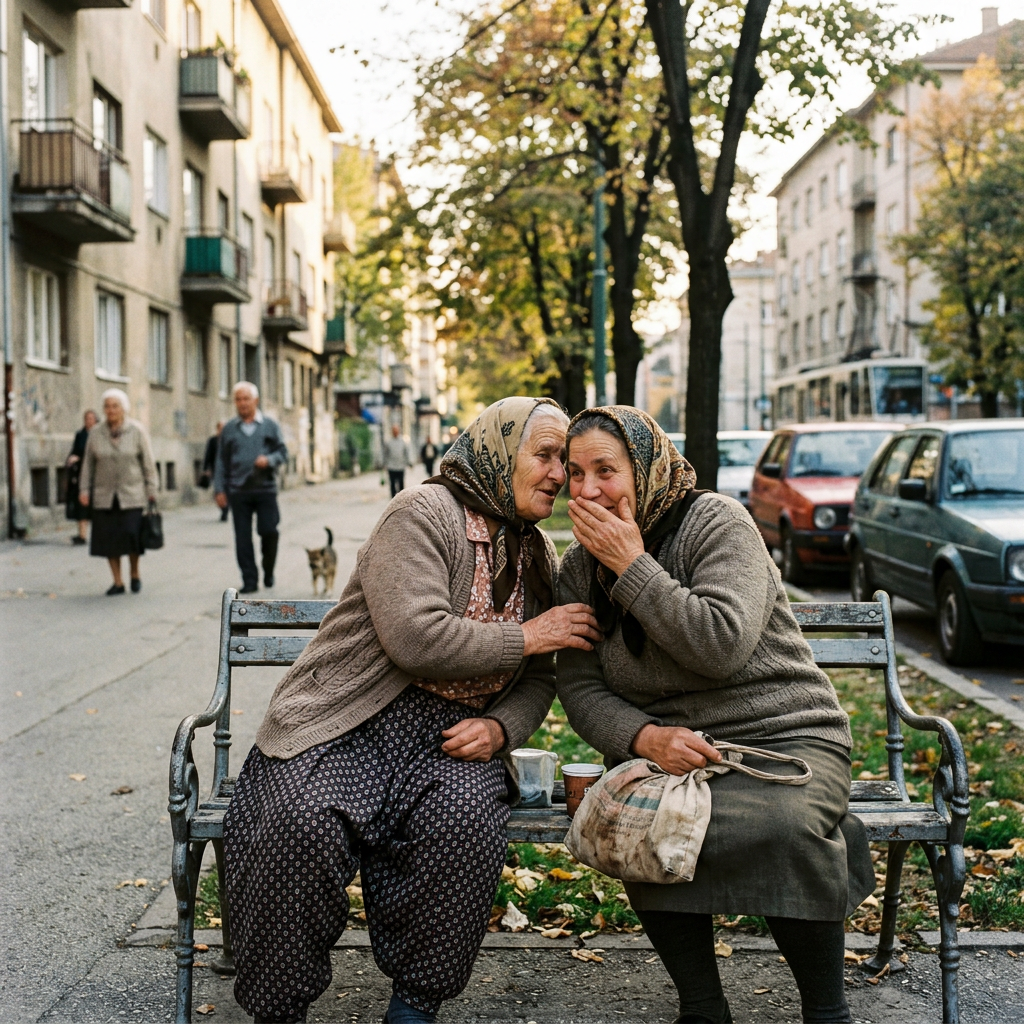
When simple conversations stop being stories and start to shape identities, that is when the danger of mahalanje begins. In the mahala, people often decide who you are through stories long before you have the chance to introduce yourself. A single mistake, decision, or bad relationship can quickly become someone`s reputation. Just imagine working as a hairdresser in a mahala: you may have many satisfied customers, but after one bad haircut, suddenly your career feels over. This is the real truth of mahalanje: once a story is repeated enough times, it becomes a fact, even if the reality behind it is far more complicated.
When I was a kid in a mahala, I only listened to these stories. Now, I notice their consequences everywhere. I realize how people carefully monitor both others and themselves because they are constantly worried about what the mahala might say. People get occupied with stories and by the fear that one mistake might follow them for years. Sometimes it even becomes absurd. I remember once yelling to my mother, “Mom, there are no clean glasses!” and her quickly responding, “Shh, do you want the whole mahala to know that we have no clean glasses?” In this way, mahalanje becomes a form of social control as it quietly teaches people what is acceptable, shameful, or respectable within the community.
Mahalanje becomes even more dangerous when people start to lose ownership of their own lives and stories. Repetition begins shaping people’s identities more than reality itself, and suddenly you become the “bad hairdresser” or “the son who disappointed his parents”. This is the true danger of a single story: the narrative becomes bigger than the individual themselves.
The Danger of a Single Mahala
The famous TED Talk by Chimamanda Ngozi Adichie called “The Danger of a Single Story” closely connects to the concept of mahalanje. In her talk, Adichie explains how an unfinished short story can quickly shape the way in which we perceive places, communities, and people. She argues that unfinished or one-sided stories contribute to the emergence of biases and stereotypes because they fail to reflect the full reality of a person or culture. This idea strongly reflects the concept of mahalanje as well.
Through mahalanje, incomplete versions of people are often created, and their lives become reduced to a single narrative. Repeated conversations, and stories shared during seemingly harmless coffee breaks become someone`s identity. One story hides the reality of an individual, and the danger is not always that these stories are completely false, but that they are incomplete and oversimplify the complexity of human nature.
Storytelling holds huge power. They can create connections, understanding, and emotional closeness, but they can also shape reputations and control how communities view one another. The Danger of a Single story holds true in Adichie`s work, just as The Danger of a Single Mahala holds true in my own community.
Growing Up Around Mahalanje
There is a saying many people told me when I was leaving Bosnia for my studies: you can leave Bosnia, but Bosnia never leaves you. I can apply this phrase to mahalanje. No matter how much I criticize the concept, I still carry it with me everywhere.
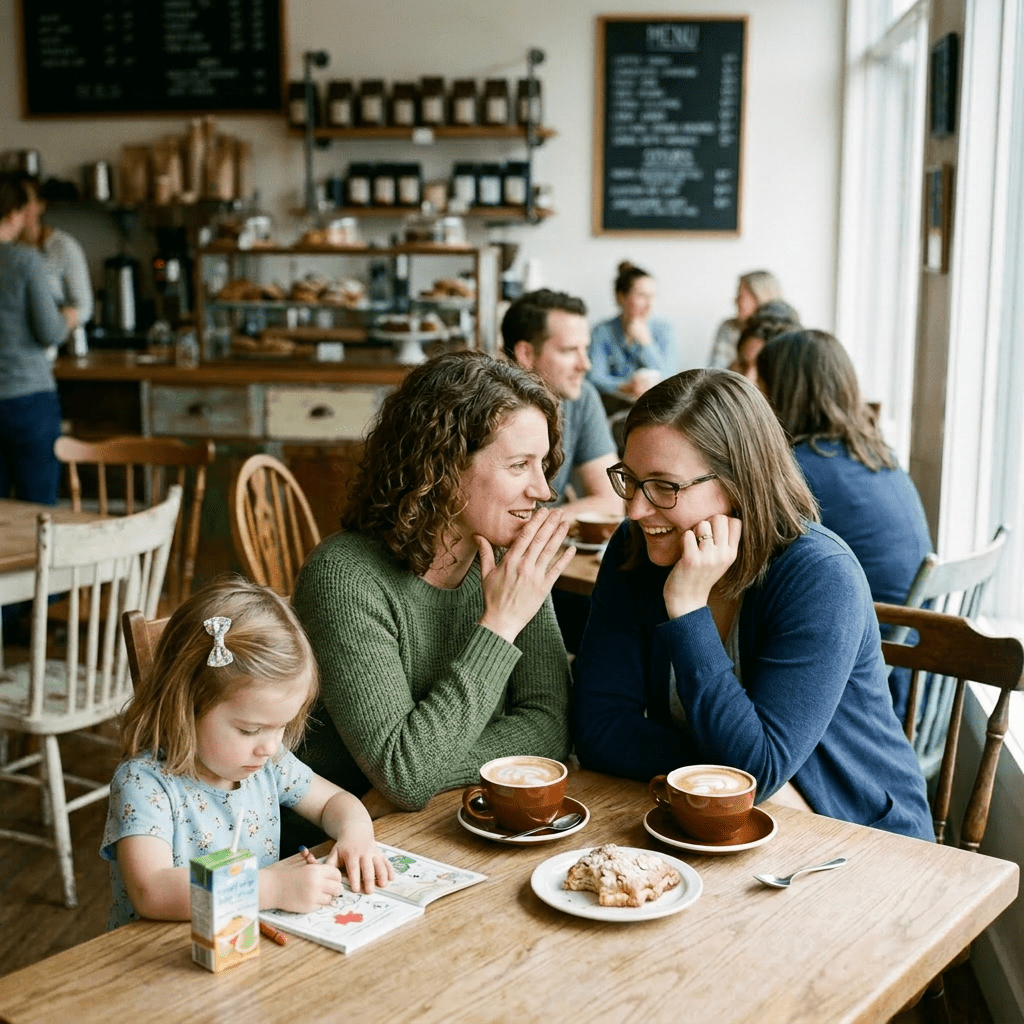
Now, I often find myself doing the same thing my grandmother once did. Every Sunday morning, I sit with my roommate, and over long conversations and multiple cups of coffee, do the exact same thing my grandma and her friends used to do- mahalam. While sipping the hot black coffee, we talk about people, relationships, families, and everyday dramas. In some scenarios we would laugh, in some we would judge too quickly, while in some we would genuinely try to understand the actions and emotions of others.
Mahalanje is a deeply emotional and complicated concept for me. Even though it can sometimes be harsh, invasive and cruel, there is a part of me that cannot wait to return to my mahala, call my best friend, make a coffee, and start another session of mahalanje.
Some of my warmest memories are closely tied to warm summer nights on balconies, loud conversations echoing through the streets, hot coffee cups with a pack of cigarettes, and mahalanje sessions that lasted deep into the night. I said before that mahalanje is not gossip and this is why. Mahalanje is kept through generations because it is also a memory, belonging, intimacy, and a reflection of a culture that continues to live inside the people who leave it behind. This is why, no matter how far from Bosnia I go, the sound of clinking coffee cups, the smell of freshly lit cigarettes, whispered stories, and late-night conversations will always feel like home to me.
Some Stories Stay Forever
Growing up in the mahala, I realized that stories are never truly harmless. Mahalanje shapes the way in which people perceive others, it influences our behaviour, and it creates reputations. Yet, despite its dangers, I will never separate myself from mahalanje. Mahalanje is deeply rooted in my memories, my childhood, and in small sips of coffee filled with stories, laughter, and a little bit of judgment. I would say that Mahalanje represents both the beauty and the danger of storytelling. These stories can harm people, but they can also preserve cultures, traditions, and values. Mahalanje is a piece of home that I carry with me, and some mahalnje stories, no matter how far I go, stay with me forever.
 Anja Vasilina
Leave a comment